Featured
Table of Contents
We believe it's quite safe to assume you want your company to make as numerous sales or create as many leads as you can. Whatever your goal for development is, you can't reach it without increasing the number of consumers who take that desired action. This process is understood as conversion rate optimization, or CRO.

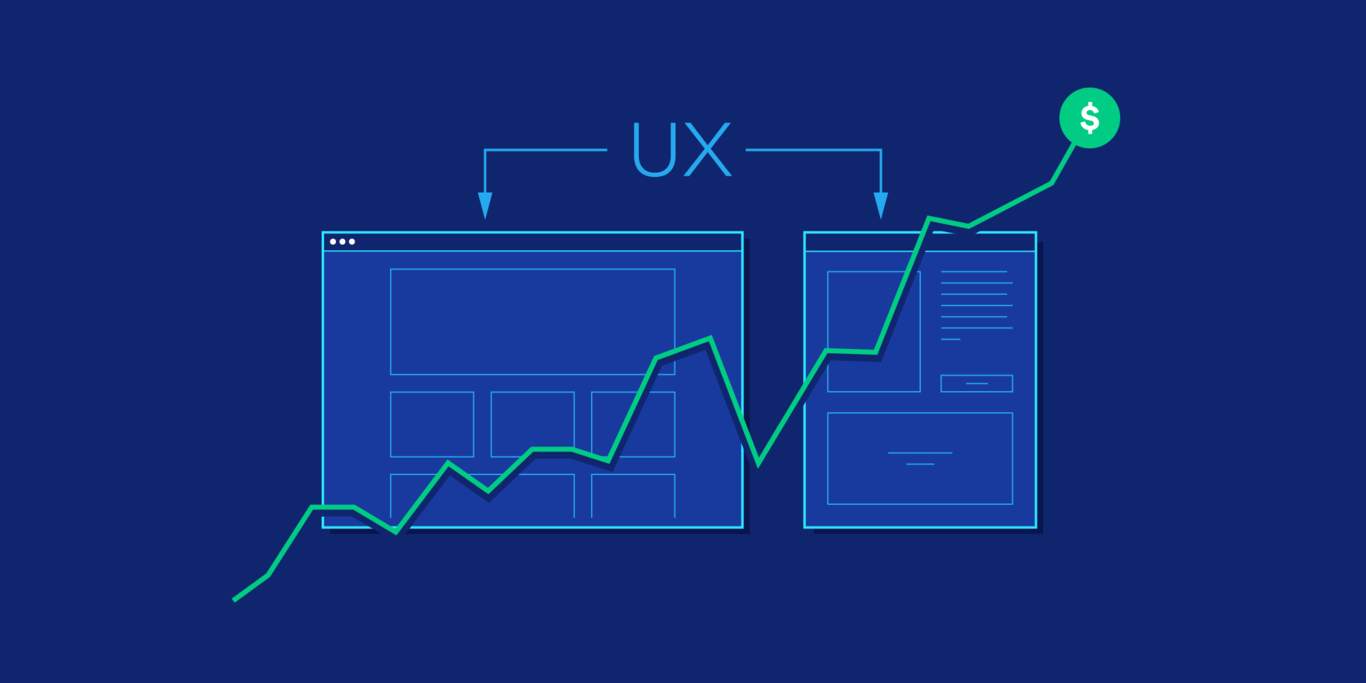
Here, we'll discuss how to increase conversion rate and share some inspiring examples and finest practices so you can improve user engagement and grow revenue. Here's a common CRO meaning: Conversion rate optimization is the procedure of enhancing the number of users who take a particular action on your site.
CRO strategy focuses on ways to increase the portion of your audience that converts by improving their experience with your company. Why is it important to make the most of conversions? It's insufficient to merely get users to your website. You have actually identified you desire those users to then take particular actions that are important to your business's success.
Modern Trends in Digital Growth and CRO
Eventually, conversion rate optimization in digital marketing enhances sales and drives revenue. Let's support for a 2nd: Before you can optimize your conversion rate, you need to know what a conversion rate is. And it's quite easy: A conversion rate is the portion of users who finish a specific action on your site.
For instance, conversions can consist of signing up for your newsletter, following you on social networks, acquiring a product, enrolling in a complimentary trial or information session, adding an item to their cart, buying that item, clicking on a particular link, and more. No matter what conversions and metrics you're tracking, the principle of conversion rate will constantly remain the exact same.
Comparing PPC and Organic SEO TacticsDivide your conversions by your number of users. Multiply this number by 100 to get a percentage. For instance, if your ecommerce shop made 100 sales last month and had 2,000 visitors, your formula appears like this: If, after some ecommerce conversion optimization, you have the exact same number of visitors however made 120 sales, you will have improved your conversion rate: A rough ballpark for the average conversion rate is somewhere between 2% and 5%.
Using AI to Enhance Digital Performance
That makes comparing conversion rates with other businesses almost meaningless. You're better off concentrating on improving your business's conversion rate than comparing it to anybody else's. Keep in mind even small bumps pay off: Increasing your conversion rate by simply 0.5% can make a meaningful revenue difference. The conversion rate optimization process can touch lots of various elements of your brand's website.
As the entry point for your user, a landing page is developed to transform, so you actually want it to be successful. Ensure the most essential and enticing info is displayed plainly at the top of your landing pages with clear, appealing calls to action (CTAs more on those listed below!).
Ecommerce businesses need to actively track metrics for conversion rate optimization on these necessary pages where sales are the top concern. Consider: Changing out product images to highlight your product's most popular features. Modifying product descriptions to share attracting details more concisely. Moving "include to cart" and other purchase buttons higher up or making them stand apart more.
How to Maximize Conversion Through Strategic Testing
A material marketing method gives you plenty of chances to add CTAs to article, believed management, and other released content. When you flow that material extensively on numerous channels, you can convert more brand-new and existing clients. CRO for blog sites typically includes carefully positioned and tactically worded calls to action or inline forms that feel organic and natural within the subject matter.
CTAs are usually links or buttons triggering a user to add a product to their cart, register for your newsletter, get a free sample, or take any other step. Ensure these links and buttons work and work successfully. Test and tweak the color, place, and wording of your CTAs to optimize conversion rate.
It's likewise a chance to direct them to other pages on your site and even transform them right off the bat. Ensure your headings, design, and style encourage visitors through the funnel toward the action you want them to take. Some users might navigate directly to your pricing page to cut to the chase, so this is another opportunity to enhance the impression you make.
Why Better Design Drives Customer Engagement
You may likewise want to include testimonials, clear information about calling customer service, and numerous prices structures to even more attract visitors to convert. When asking a user to complete a contact type or other survey, restrict the barriers to them finishing that action. Optimize by including only the definitely necessary concerns and ensuring your fields are simple to understand and fill out.
It's necessary to comprehend the needs and habits of your users if you desire to encourage them to transform. Understanding their pain points, objectives, monetary situation, and more can assist you optimize your conversion funnel. You can discover more about who is visiting your website and their understanding of your brand through: Focus groupsSocial media listeningOnline forums and communitiesCustomer feedbackMarket research study reportsUse the insights from this kind of finding out to hypothesize about which of the other methods below might be most efficient amongst your unique customer base.
Comparing PPC and Organic SEO TacticsThis method, you can easily identify where users are getting stuck. Tracking the way your visitors engage with your site can look various depending on your brand name. Some of the conversion rate optimization tools you might want to experiment with are heatmaps, session replays, and analytics tools that determine KPIs like bounce rate or session duration.
Theorize about why that may be, and make some changes to see if you can improve engagement in that location. Session replays provide comparable insight but in a video-like reenactment of a user's time on your page.
Strategies to Craft a Winning Business Showcase
Triple Whale can help you build the ultimate analytics control panel with plenty of personalization based on your organization and objectives. Metrics like bounce rate can assist you determine the phase of the funnel when users leave your website. Try A/B screening all sorts of pages and functions of your website, such as CTA copy and placement, headings, offers, item images, form questions, homepage imagery, landing page style, and more.
A call to action tells your visitor what you want them to do next in no unpredictable terms. That means it's actually essential that the link, type, or button in fact works. Test and retest this functionality and carefully monitor it for any bugs or concerns or you'll lose out on conversions.

Latest Posts
How to Track Reputation ROI Effectively
Effective PR Trends for the Coming Year
Emerging Trends Shaping Media Relations for 2026