Featured
Table of Contents
B2B brand methods stress believed management, expertise demonstration, and relationship structure with longer sales cycles, while B2C methods focus more on psychological connection, lifestyle association, and private purchase decisions. Brand name marketing strategy ought to go through extensive evaluation each year with minor changes quarterly based upon efficiency information and market changes. The four C's of brand name technique are Clarity, Consistency, Credibility, and Competitiveness, offering a framework for assessing brand strength and assisting tactical choices.
PhoneThis field is for validation purposes and ought to be left the same.
The digital marketing landscape stands at an inflection point more dramatic than the dawn of social networks or the mobile transformation. As brands and executives move into 2026, they're browsing uncharted area; unrelenting budget plan scrutiny, financial volatility, significant shifts in consumer trust, a rapid velocity in marketing innovation and the essential to stabilize functional risk with market-defining technique.
For high-end brand names, technology business, and high-growth enterprises, the stakes have actually never ever been greater. Google's algorithms are increasingly concentrating on intent, requiring content that addresses real questions and offers real value, instead of counting on keyword stuffing. The brands that will thrive are those that acknowledge this paradigm shift and act decisively.
Major Benefits of Integrating AI Into PR Strategy
Digital marketing trends 2026 will not reward teams that include AI as an afterthought; success will belong to organizations that industrialize AI use cases through structured, governed systems. First-rate marketing teams are developing AI as vital infrastructure for: Audience Discovery & Segmentation: Advanced maker learning algorithms now process first-party information, behavioral signals, and mental indications to identify micro-segments that conventional market targeting misses out on entirely.
Imaginative Versioning & Dynamic Material: Leading brand names release AI-powered imaginative systems that produce countless advertisement variations, email subject lines, and landing page elements, then automatically optimize based upon performance data. This technique scales creative output while maintaining brand consistency through predefined style guides and compliance guardrails. Media Optimization & Attribution: Advanced AI designs now handle cross-channel media buying and immediately reallocating budgets based upon conversion possibilities, audience quality ratings, and competitive dynamics.
With 88% of online marketers reporting that AI has essentially changed their work processes, the temptation to automate everything represents a tactical trap. Market leaders distinguish themselves by keeping human oversight of tactical storytelling and innovative edge. They investigate AI tools for algorithmic openness, avoid generic hyper-personalization that undermines brand name credibility, and deliberately secure the human voice that builds authentic audience loyalty.
These companies recognize that AI stands out at execution and optimization but requires human judgment for placing, messaging, and innovative direction. There is a critical requirement for brands to behave more like developers and inject significance, imagination, and trust into all projects, differentiating themselves through simple, vibrant ideas and authentic audience connection.
The goal is to increase brand name visibility and drive traffic to owned media platforms by utilizing more smart targeting and more engaging formats. Successful brand names now utilize combined client information systems constructed on privacy-first, first-party consent and consistent client IDs to power "constantly on" personalization throughout physical, digital, AR, and experiential touchpoints.
The Impact of AI On Corporate Reputation Management
These systems process behavioral signals in milliseconds, adjusting messaging, provides, and creative elements based on individual user preferences and contextual aspects. Privacy-by-Design Data Architecture: Leading organizations carry out standardized event schemas, server-side data collection, and privacy-compliant data lakes that make sure compliance with progressing worldwide regulations while keeping personalization abilities. This approach treats personal privacy as a competitive advantage rather than a compliance problem.
Creating High-Impact Media Pitches That Win ResultsThey provide clear consent mechanisms, easy data manage user interfaces, and frictionless opt-in/opt-out procedures that position data sharing as a shared advantage instead of a necessary evil. The facilities allowing this improvement centers on consumer data platforms (CDPs) that develop relentless, privacy-safe consumer profiles. These systems unify information from lots of sources web analytics, CRM systems, social networks interactions, offline purchases, client service touchpoints into extensive specific profiles that power personalization throughout all channels.
Interactive formats, such as surveys, tests, and AR/VR experiences, are becoming increasingly important, with 90% of online marketers using interactive material reporting greater success in their methods. However, winning brand names in 2026 move beyond releasing AR/VR pilots to integrating these experiences into thorough measurement systems, robust attribution designs, and total client journey mapping.
Consumers can begin an item expedition on mobile, continue in an AR display room, and finish the purchase through voice commerce, with each touchpoint structure on previous interactions. Integrated Performance Measurement: Immersive tools virtual try-ons, digital display rooms, live commerce experiences link straight to sales data, conversion rate optimization systems, and post-purchase assistance databases.
Succeeding in the Age of AEO and GEO
Cross-Platform Attribution: Advanced attribution modeling tracks customer journeys across physical and digital touchpoints, providing accurate conversion attribution for complex, multi-session purchase procedures that span weeks or months. Successful immersive commerce executions require advanced technology combination. Leading brands release content management systems that handle 3D possessions, AR engines that work throughout devices and platforms, and analytic systems that measure engagement within immersive experiences.
As marketing channels multiply and customer acquisition expenses increase throughout a lot of sectors, 2026 CMOs welcome an essential shift from "constantly more" to "less however better." This strategic reorientation requires a systematic evaluation of every marketing initiative through strenuous ROI analysis and predictive modeling. Channel Optimization: Market leaders conduct quarterly audits of channel efficiency, maintaining only those that show clear contribution to consumer acquisition, retention, or lifetime worth.
Audience Sector Improvement: Instead of pursuing broad group targets, successful brand names determine the particular customer segments that drive disproportionate worth. They use predictive analytics to design customer life time worth, churn possibility, and expansion potential, concentrating resources on segments with the greatest long-term potential. Product Line Focus: Leading companies regularly evaluate their product portfolios, divesting underperforming lines to concentrate resources on core offerings with clear market differentiation.
Creating High-Impact Media Pitches That Win ResultsThe most sophisticated marketing companies deploy scenario modeling systems that continuously examine resource allocation decisions. These systems process market signals, competitive intelligence, and performance data to advise spending plan reallocation in real-time. During financial unpredictability, this capability becomes particularly valuable, enabling organizations to quickly pivot resources away from decreasing opportunities towards emerging growth vectors.
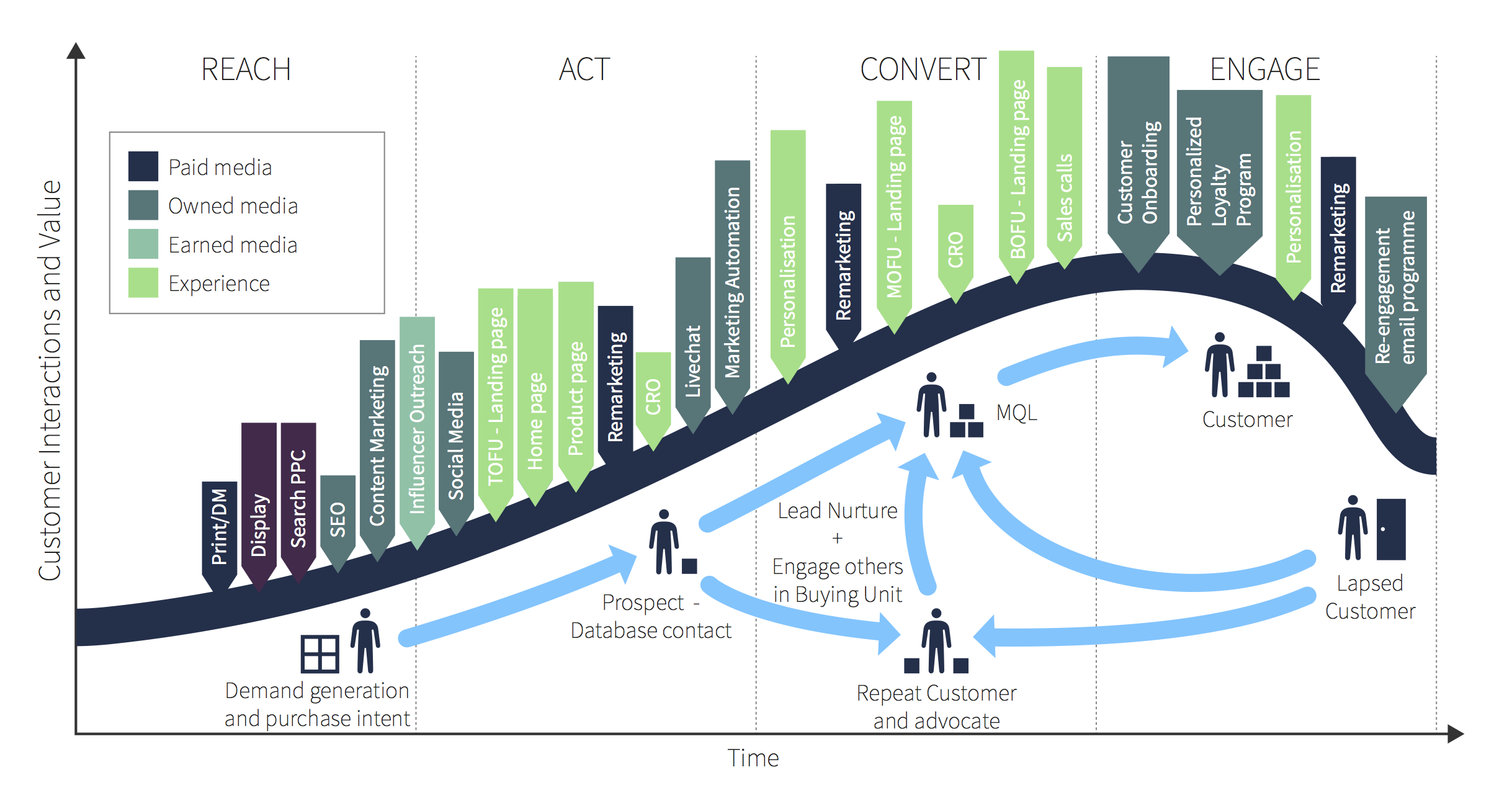
This shift shows several assembling patterns: the increasing intricacy of marketing technology, the requirement for customized competence in emerging channels, and the monetary pressure to enhance leadership expenses. Worldwide Skill Gain access to: Organizations take advantage of fractional experts for crucial efforts such as imaginative projects, marketing automation application, and account-based marketing programs accessing world-class expertise without the overhead of full-time executive compensation.
Top Media Relations Strategies for Success
These plans offer executive-level tactical thinking specifically when required, without the commitment of traditional employing processes. Pod-Based Team Structure: The most agile companies develop versatile, cross-functional pods led by fractional or interim professionals. These structures move much faster than conventional hierarchies, adjust to real-time market feedback, and drive innovation through diverse mixes of knowledge.

Latest Posts
How to Track Reputation ROI Effectively
Effective PR Trends for the Coming Year
Emerging Trends Shaping Media Relations for 2026